
Attic insulation in Richland WA - an even layer that lets the attic breathe
Hot rooms upstairs or a power bill that keeps climbing? We seal the gaps first, then lay insulation level across the whole attic, edges included.
- Fully licensed and insured.
- Free estimates at your property.
- We respond within 1 business day.
Does my attic need more insulation, and what will it take?
Attic insulation in Richland, WA means adding loose fill or batts across your attic floor so the layer sits level and even, which slows heat moving between your rooms and the attic above them.
Most calls start with a bedroom upstairs that won't stay comfortable, a drafty hall or a power bill that keeps going up. We're based in Richland and work across the Tri-Cities and the cities around it, including some across the state line in Oregon. The price turns on how big the attic is, how easy it is to get into, how much is already up there and whether old or damaged material has to come out first. The schedule turns on those same things, plus any repair that has to happen before insulation goes in, and you'll see your own number in the written estimate, with each step listed in the order we'd do it.
How can you tell your attic insulation is falling short?
Rooms upstairs run hot
If the bedrooms upstairs or the room over the garage stay hot in summer and cold in winter while the rest of the house is fine, the attic above them is usually thin or uneven. Waiting mostly costs you comfort and a bigger power bill every month, so it's worth a look before the next season.
Drafts near ceilings and lights
A draft you can feel around can lights, the attic hatch or ceiling fixtures usually means air is slipping through gaps the insulation was laid right over. More insulation alone won't stop that, and the longer those gaps stay open, the harder your furnace and air conditioner work.
Insulation looks flat or stained
If you open the hatch and see insulation that's matted down, stained or full of droppings, it has likely been wet or lived in. Laying fresh material on top just hides the problem, so that layer has to be looked at, and sometimes pulled out, before anything new goes in.
How we handle attic insulation
I start by checking whether the joists are still showing and by looking for anything that has to be fixed first, because insulation laid over a leak or an old problem just hides it. I'll ask you to clear stored things out of the attic so the new layer can sit level on the floor. Our crew then does the air sealing, which is closing the gaps around pipes, wires, can lights and the hatch, because insulation laid over an open gap ends up fighting a draft. We keep the new insulation back from the soffit vents under the roof edge so the attic still breathes, and we bring the edges up to the same depth as the middle instead of piling it high in the center.
Most attic top-ups are done with blown-in insulation, loose fill blown through a hose so it settles into the corners and around wiring. If the attic is one part of a bigger plan that takes in walls or the floors over a crawl space, our home insulation work looks at the whole house so each part gets done in the right order.
Topping up with blown-in fill
This suits most attics that already have a layer up there, because loose fill can go right over existing batts or old fill. It also works into the tight spots around wiring and framing where a cut piece leaves gaps.
Adding batts over what's there
Batts suit an open attic with regular, easy-to-reach joist spaces. If they go over loose fill, they have to be unfaced, with no paper or foil backing, so ask us which kind we plan to use.
Foam where the ducts run
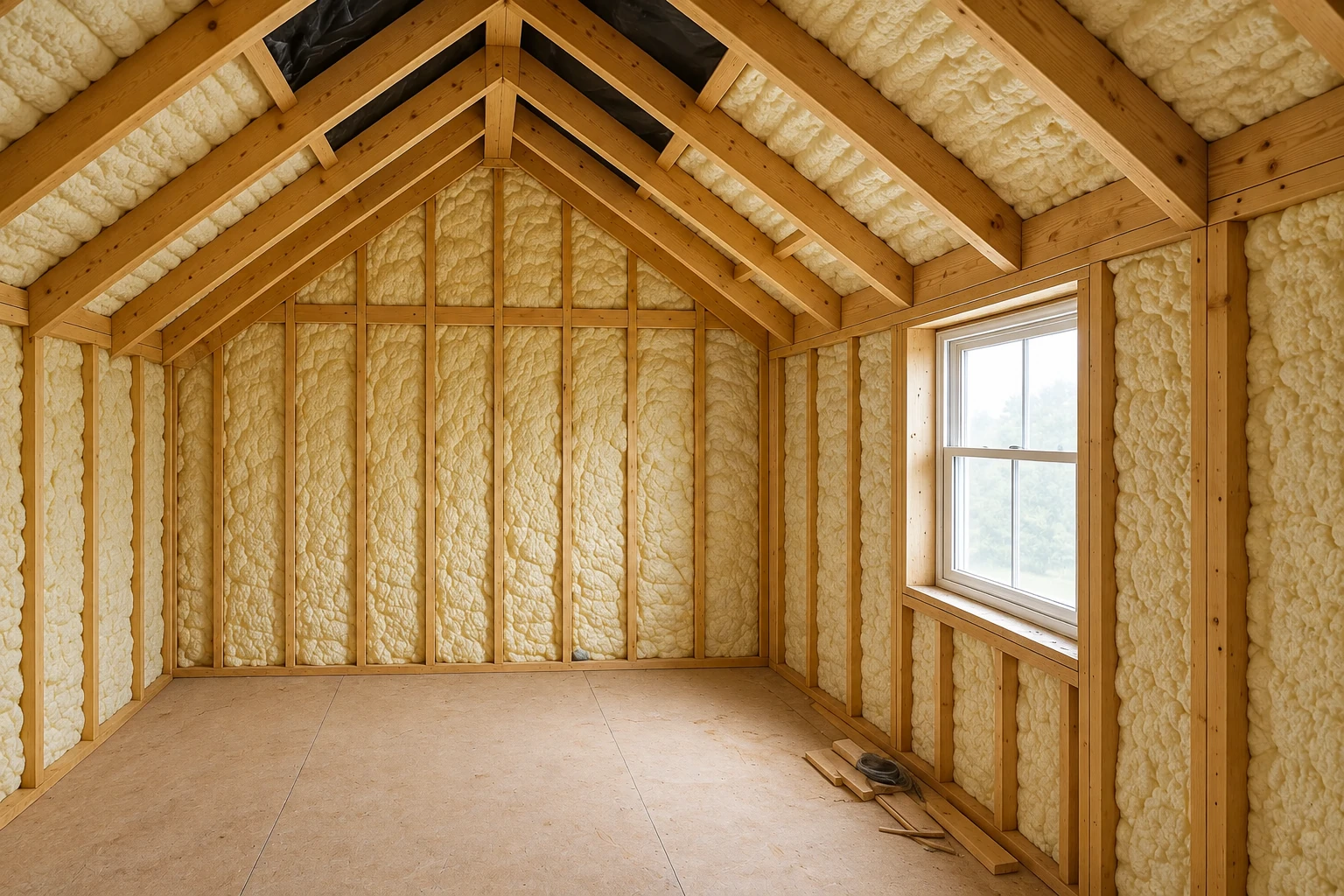
Foam costs more, but it seals air and insulates in one step. I usually recommend sealing the gaps and topping up loose fill instead, unless your ductwork lives in the attic, where foam can be worth the extra cost.
Get a written, step-by-step plan for your attic
We reply within one business day and set a time for me to come look at your attic. The estimate is free, written out step by step, and comes with no obligation.
(509) 946-4684- Based in
- Richland, WA 99352
- Hours
- Mon–Fri: 7 AM–10 PM, Sat–Sun: 6 AM–11 PM
What happens after you call about your attic?
From your first call to the walkthrough at the end, here's who does what and what you'll have in hand before you decide anything.
Call or send the form
We get back to you and set a time for the visit. Tell us anything you already know, like a room that never stays comfortable or a roof leak you've had fixed.
I look over the attic
I check the attic floor, the vents, the hatch and the wiring, and I ask about anything in the house that burns fuel. Sealing an attic changes how air moves through the house, so a gas or oil furnace, water heater or fireplace has to keep venting the way it should.
You get a written estimate
It lists each step in the order we'd do it, so you can see what the price covers and why anything has to come first. If your attic can wait, I'll tell you that too.
We work, then walk you through
On the day, we cover the floors and the path to the hatch, then work in the order the estimate lays out. Before we pack up, I walk you through what we did.
Why Richland homeowners call Comfort Richland Insulation Company for their attic
The owner estimates and installs
I come out to look at your attic and write the estimate, then I'm up there with our installers on the job itself. The person who planned the work is the one making sure it gets done that way.
Fully licensed and insured in Washington
Washington requires every construction contractor to register with the state Department of Labor & Industries, and we're fully licensed and insured. That's the first thing worth checking with anyone you're thinking of hiring.
Trained in attics beside my dad
I learned insulation from my dad, starting as a kid hauling bags into attics, and I started this business in 2023. I'd rather tell you an attic can wait than sell you work it doesn't need.
What matters most up there is getting the order right, so nothing new goes over a leak or a draft. Every job is backed by our satisfaction guarantee, and you can call (509) 946-4684 or ask for your estimate here.
Attic insulation and air sealing around Richland
Before a job starts, I check with the city or county building office for your address, since that office is the one that decides. If a permit is needed, we take care of it and keep you posted on where things stand.
Around Richland we get into attics of every age, from older houses with a thin, settled layer to newer ones where the blown fill went deep in the middle and thin at the edges. Plenty of the attics we see double as storage, so clearing them out is often the real first step of the job. We find the same mix on jobs in Kennewick and West Richland, and we handle them the same way.
Questions about attic insulation in Richland
How do I know if my attic needs more insulation?
If the insulation sits level with or below the tops of the floor joists, so you can easily see the joists, it's time to add more. You can check this yourself from the hatch with a flashlight before you call. Note roughly how many inches you see, because that helps me plan the visit.
Is blown-in or batt insulation better for an attic?
For most attics, blown loose fill is the better pick, because it usually costs less to install than batts and covers better. Fiberglass, rock wool and cellulose are the common loose fills. Federal energy guidance suggests pricing blown fill first and comparing batts against it, since install costs vary from job to job.
What if my attic has vermiculite or old knob and tube wiring?
Those get dealt with before any insulation goes in. Attic work should wait while there's active knob and tube wiring, a leaking roof, bath fans venting into the attic, or an unvented kerosene heater or gas fireplace in the house. Vermiculite, a pebbly gray-brown loose fill, should be left alone until an approved lab tests it for asbestos, and your local health department can tell you which labs are approved.
What should a Washington contractor give me before an attic insulation job?
A Washington contractor should be registered with the state, bonded and insured, and you can ask any bidder for proof of the bond and insurance. On a residential job of $1,000 or more, the contractor also has to hand you a written disclosure notice before the work.
How much does attic insulation cost in Richland?
The cost comes down to your attic's size, how much is already up there and what has to happen before the new layer goes in. Pulling out old material, sealing a lot of gaps or working around a packed attic adds to it, while a clear attic that just needs topping up keeps it lower. I'll give you a number in writing once I've seen the attic.
How long does attic insulation take, and do we have to leave the house?
Most homeowners stay home while we add blown-in fill or batts, and the time depends on the attic's size, how easy the hatch is to reach and whether sealing or removal comes first. Foam is different, because it comes with a re-entry time, a wait before you, the kids and the pets can come back inside. If foam is part of your plan, I'll go over that wait at the estimate.
Other insulation work that pairs with your attic
Blown-in insulation
When the attic floor has a thin or patchy layer, blown-in fill tops it up evenly and reaches tight spots around wiring that batts tend to miss.
Home insulation
If the attic is only part of the problem, a whole-house look covers walls, floors and crawl spaces so each room gets fixed in the right order.
Service areas we cover from Richland
Comfort Richland Insulation Company is based in Richland, Washington. The 8 cities below have their own pages, including Kennewick and West Richland, and we work in other cities nearby too, some of them across the state line in Oregon.
Richland, WA
Book a look at your attic insulation
Before you call, take a flashlight to the hatch and note whether you can see the joists, any pebbly vermiculite and any gas or oil appliances, so the visit starts with the right questions.